The vehicle that EXAMINES its driver
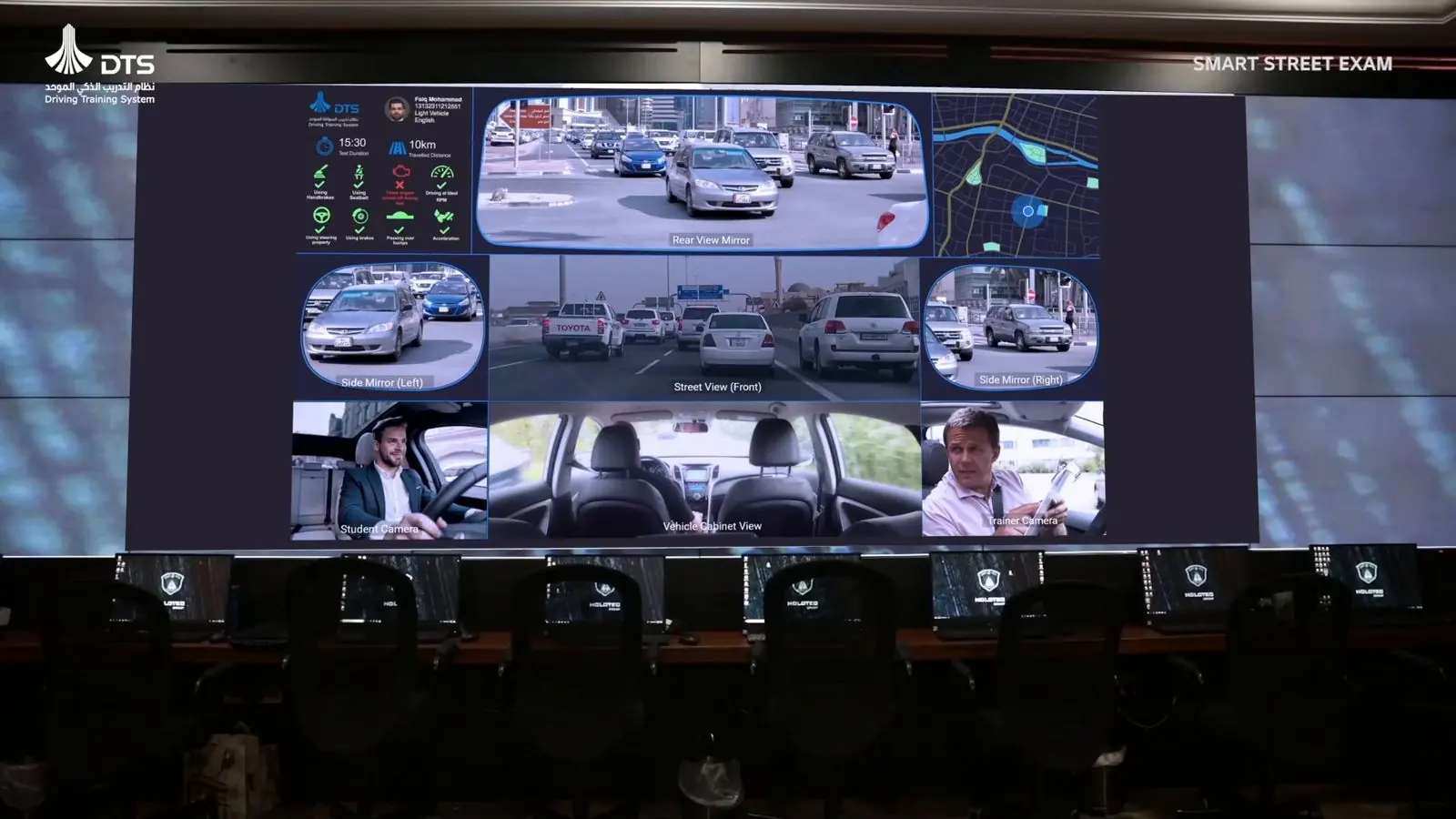
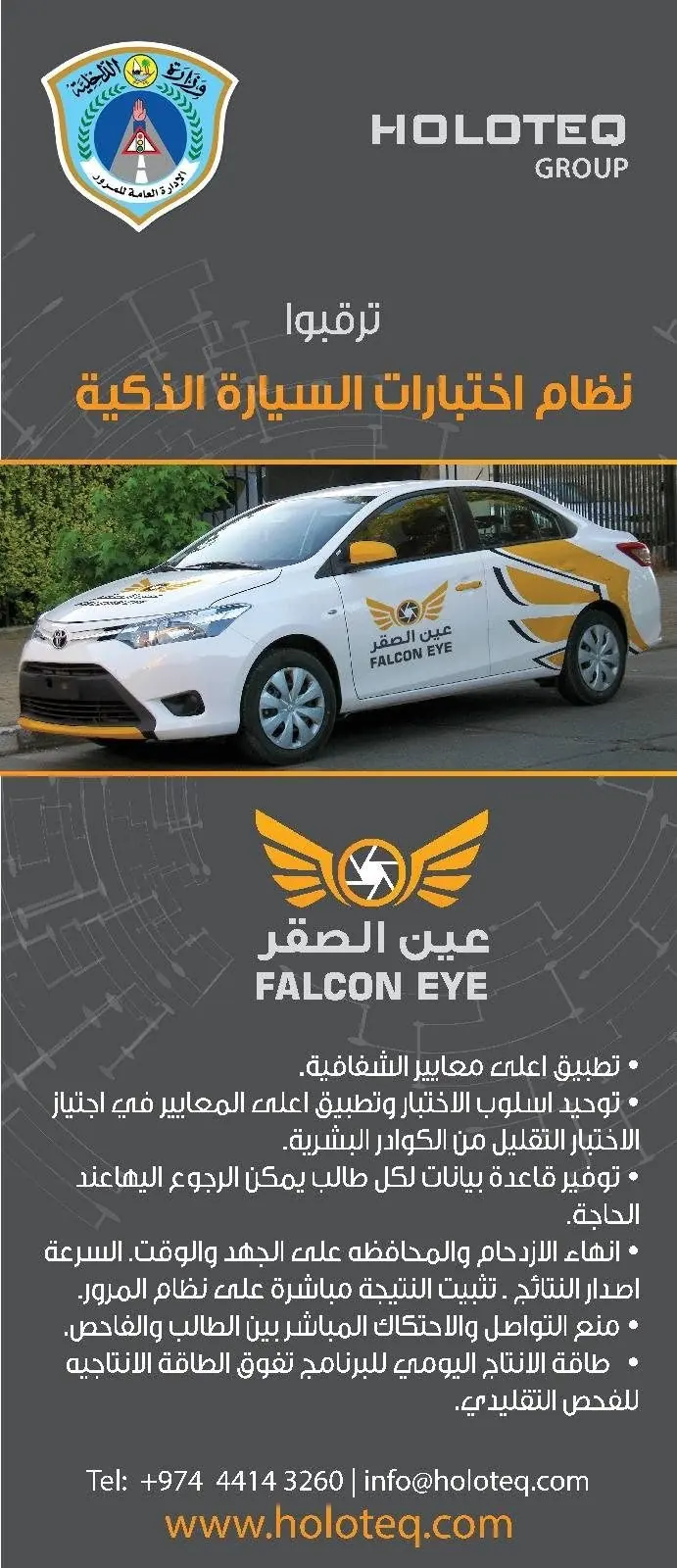
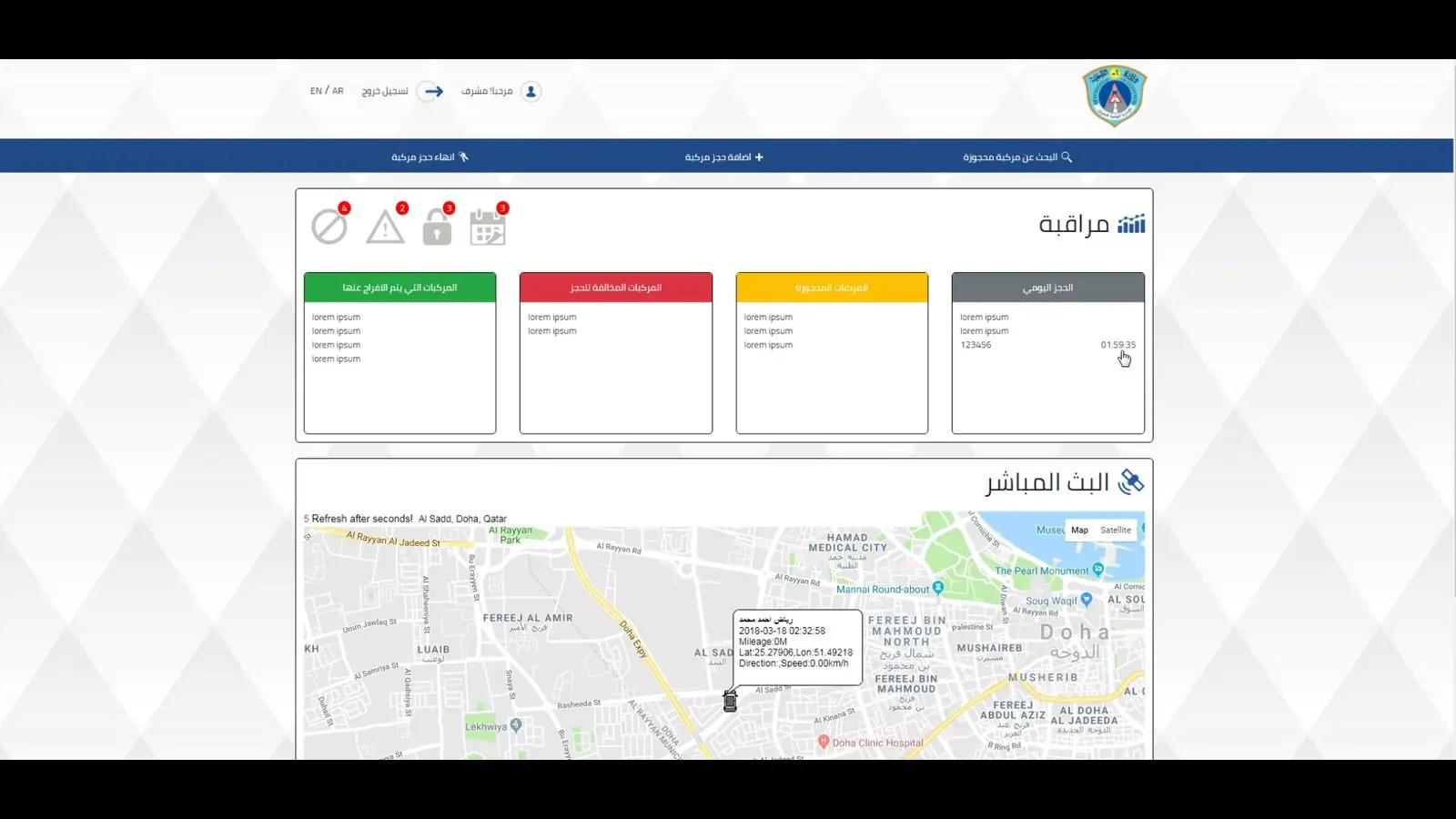
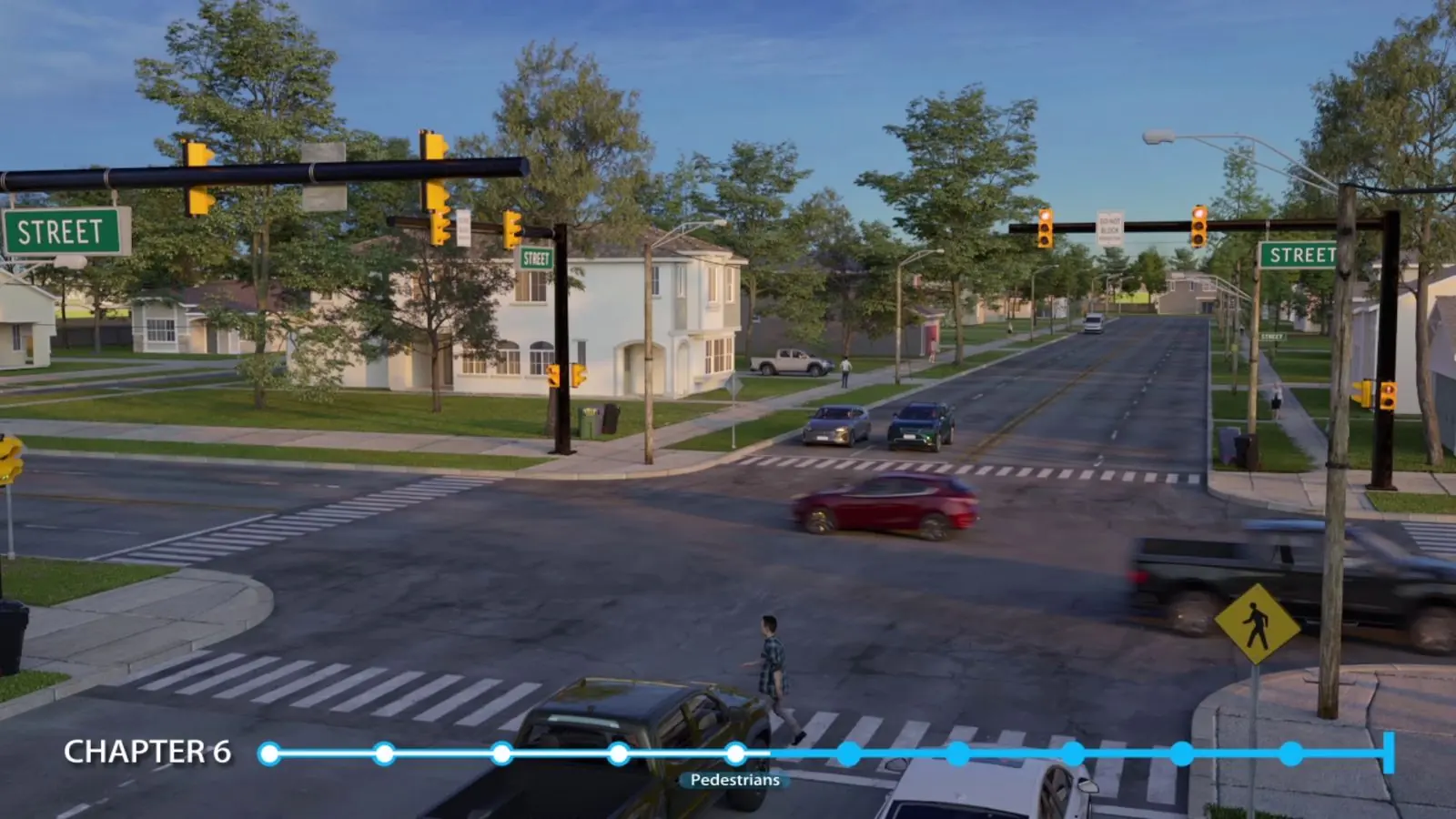
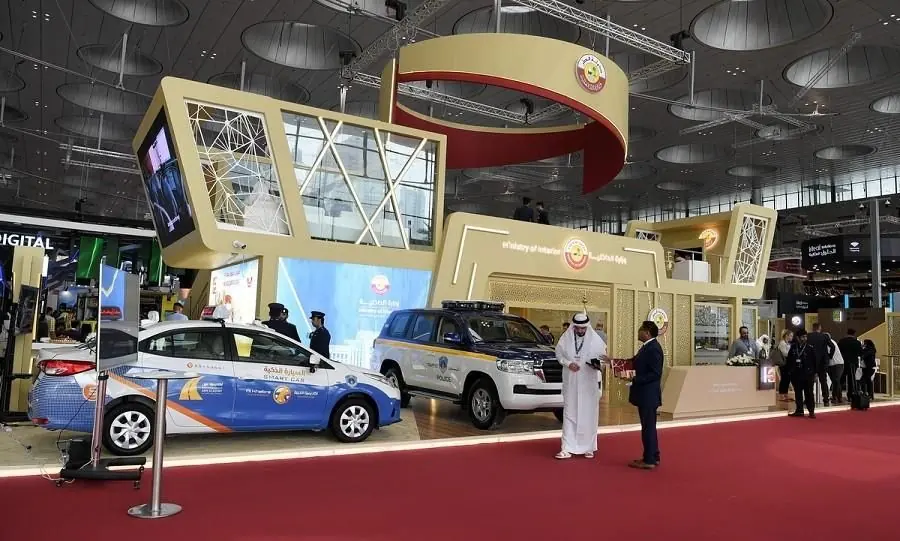
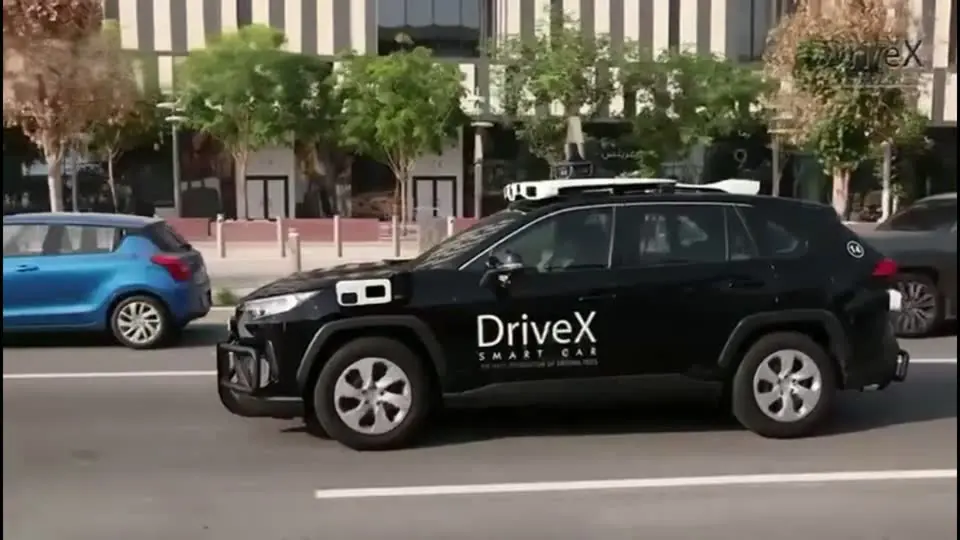
Our Autonomous Driving Test vehicles (the Smart Car) run the road test with no examiner in the seat. Cameras, sensors and our AI watch the road and the candidate, score every manoeuvre and send the result straight to our client, the General Directorate of Traffic.
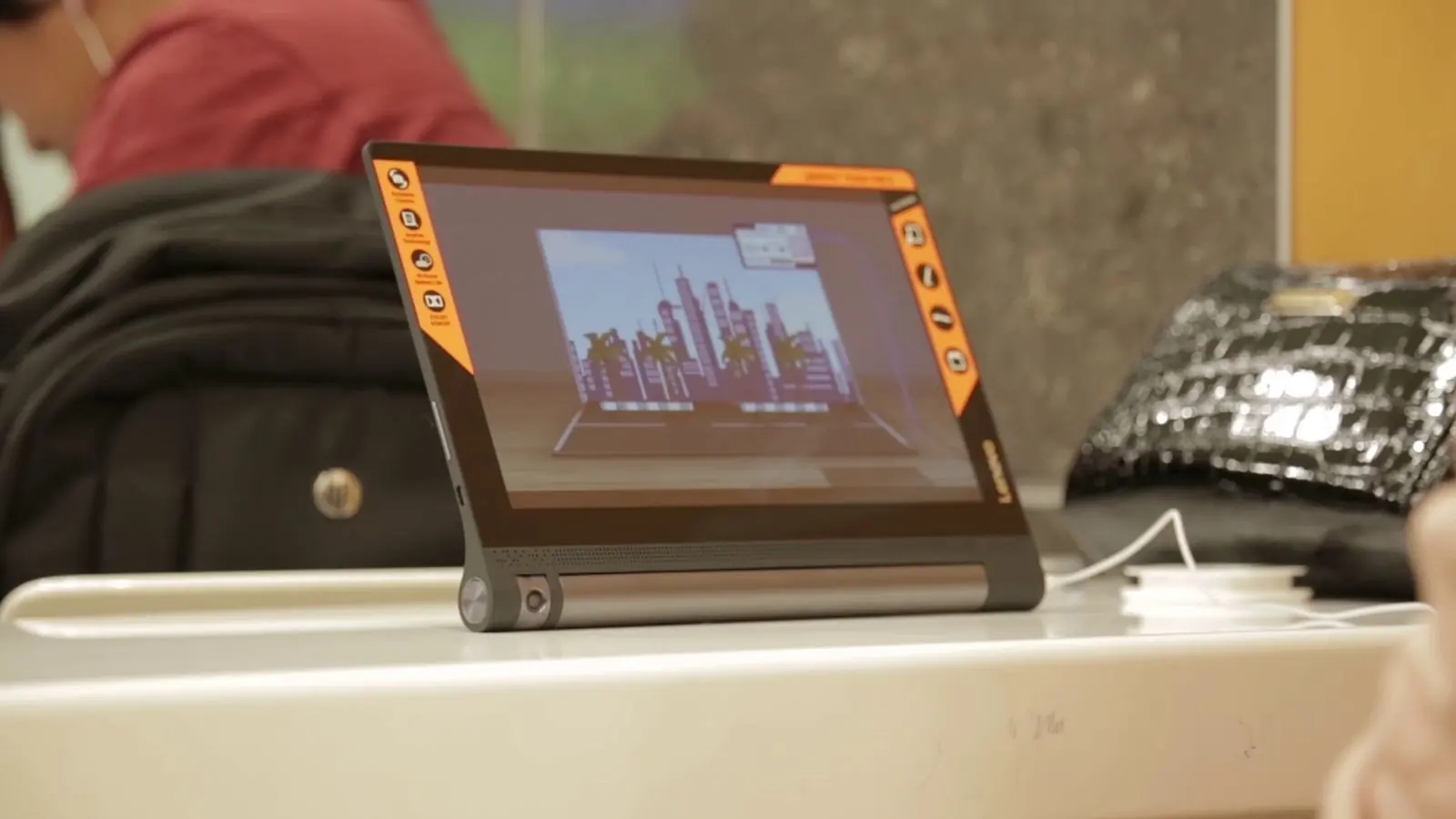
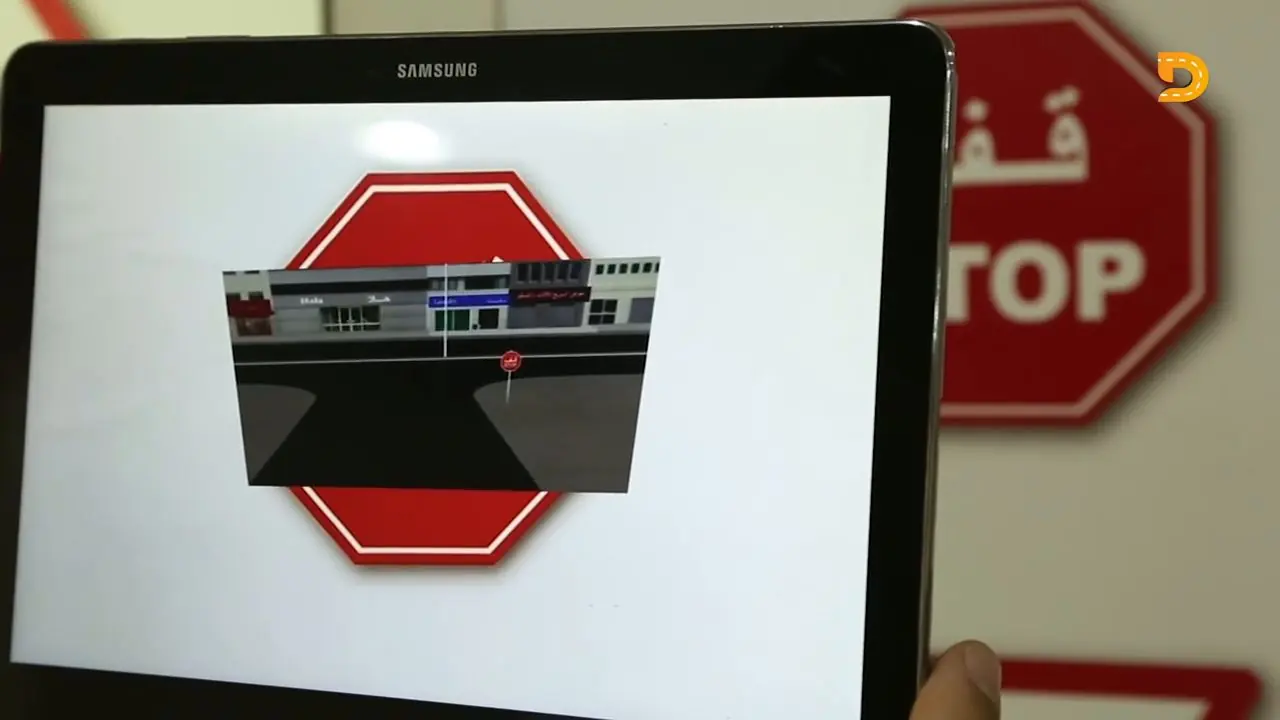
- The candidate signs in on the car’s tablet; the test starts by itself.
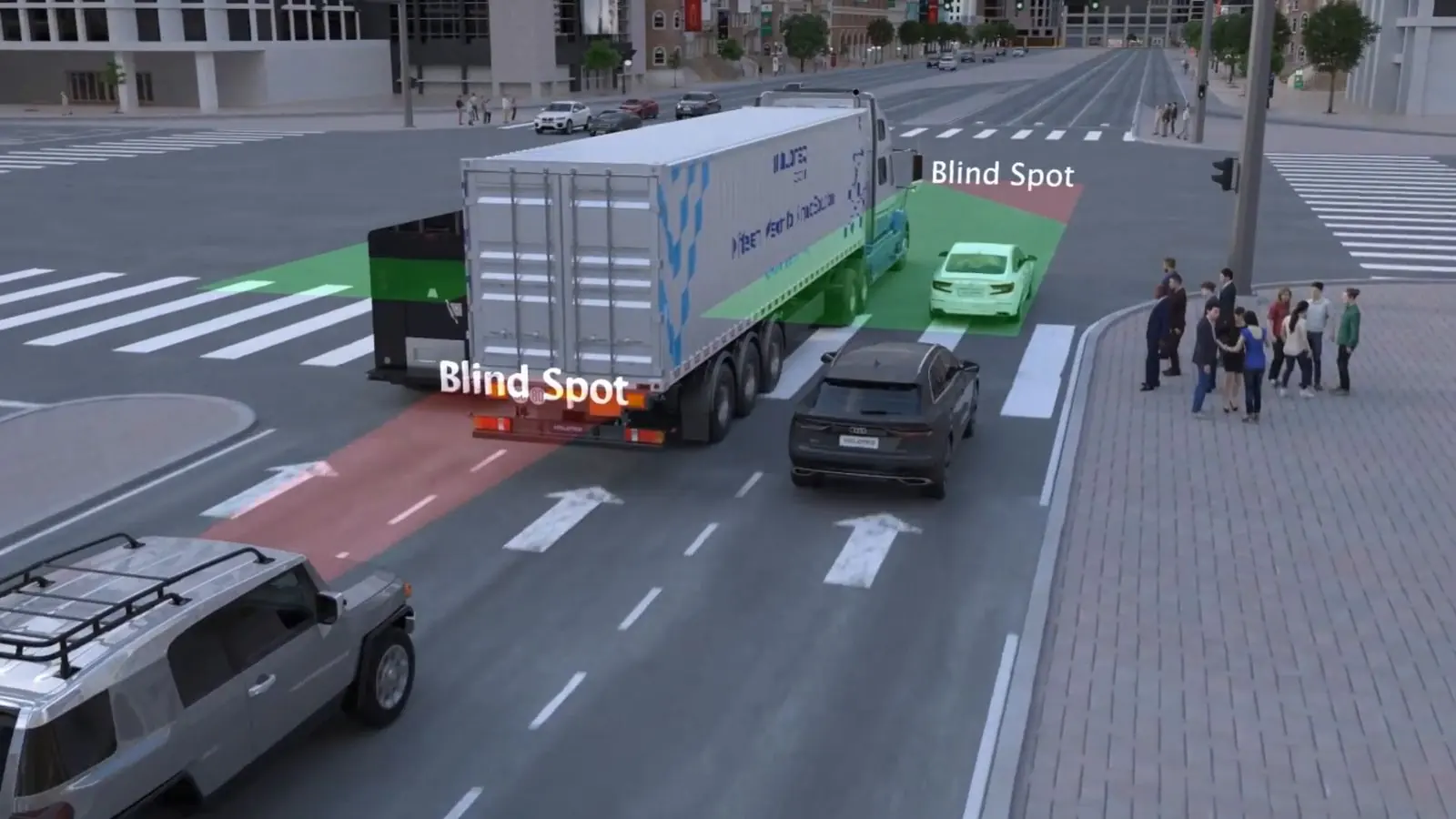
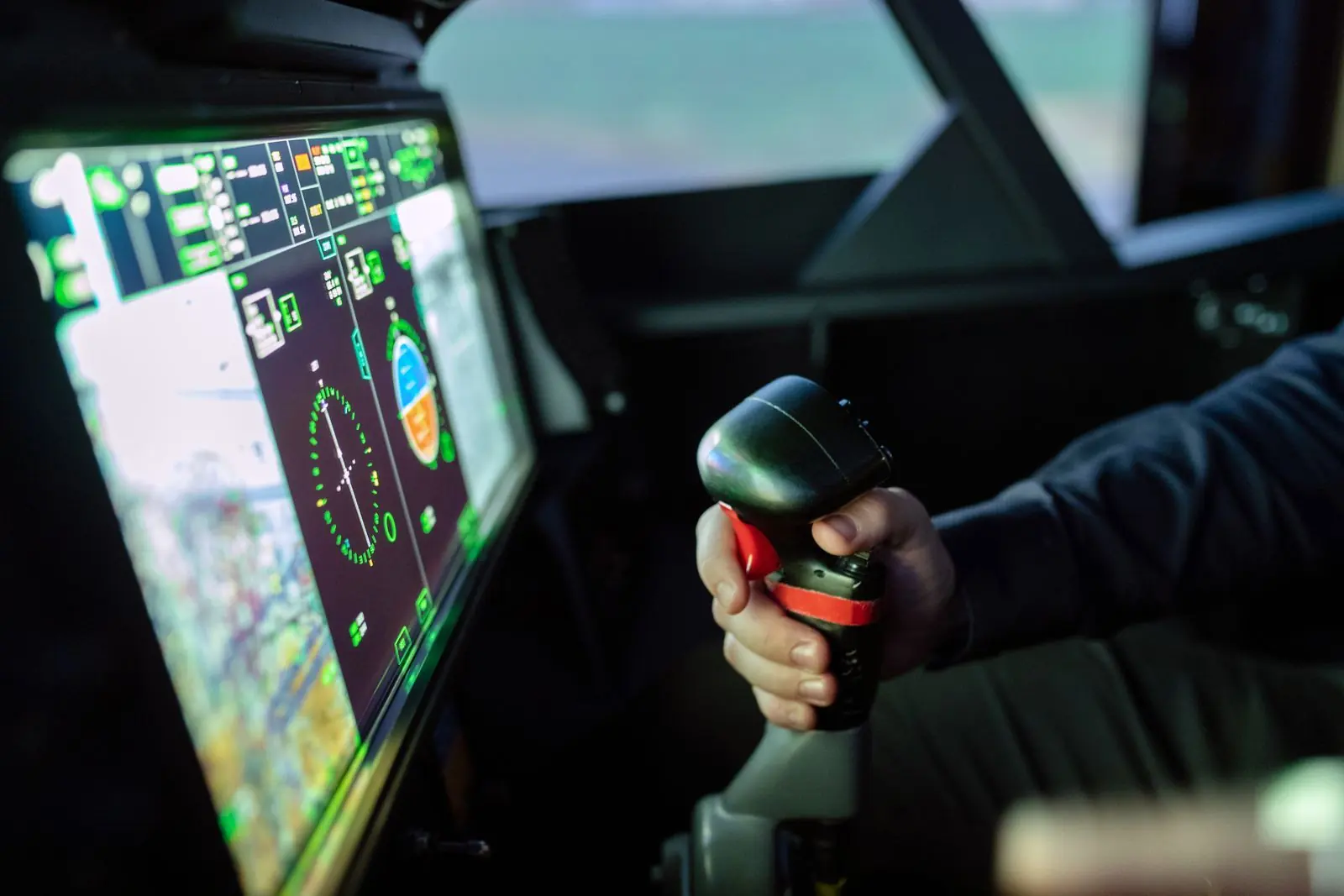
- Cameras, LiDAR and radar read the lane, signs, distances and the driver’s hands and gaze.
- Our on-board AI scores every manoeuvre and records the evidence on video.
- The result and a replayable report reach the General Directorate of Traffic before the candidate leaves the seat.
The problem
Our client’s road tests depended on one examiner’s judgement in the passenger seat. Results were hard to audit, candidates could not see why they failed, and every test took a trained officer away from other work.
What we built
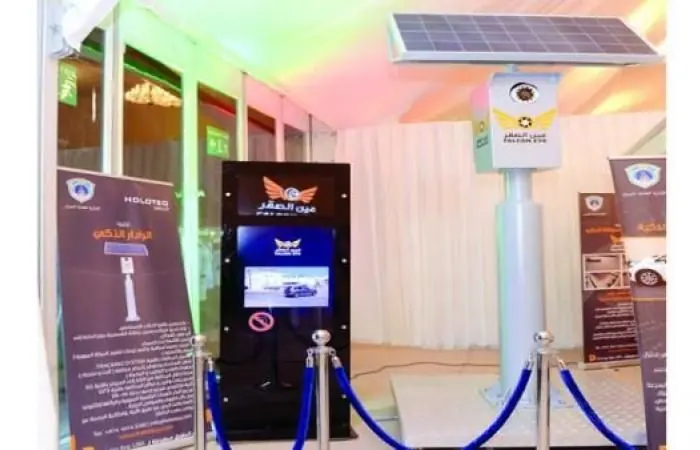
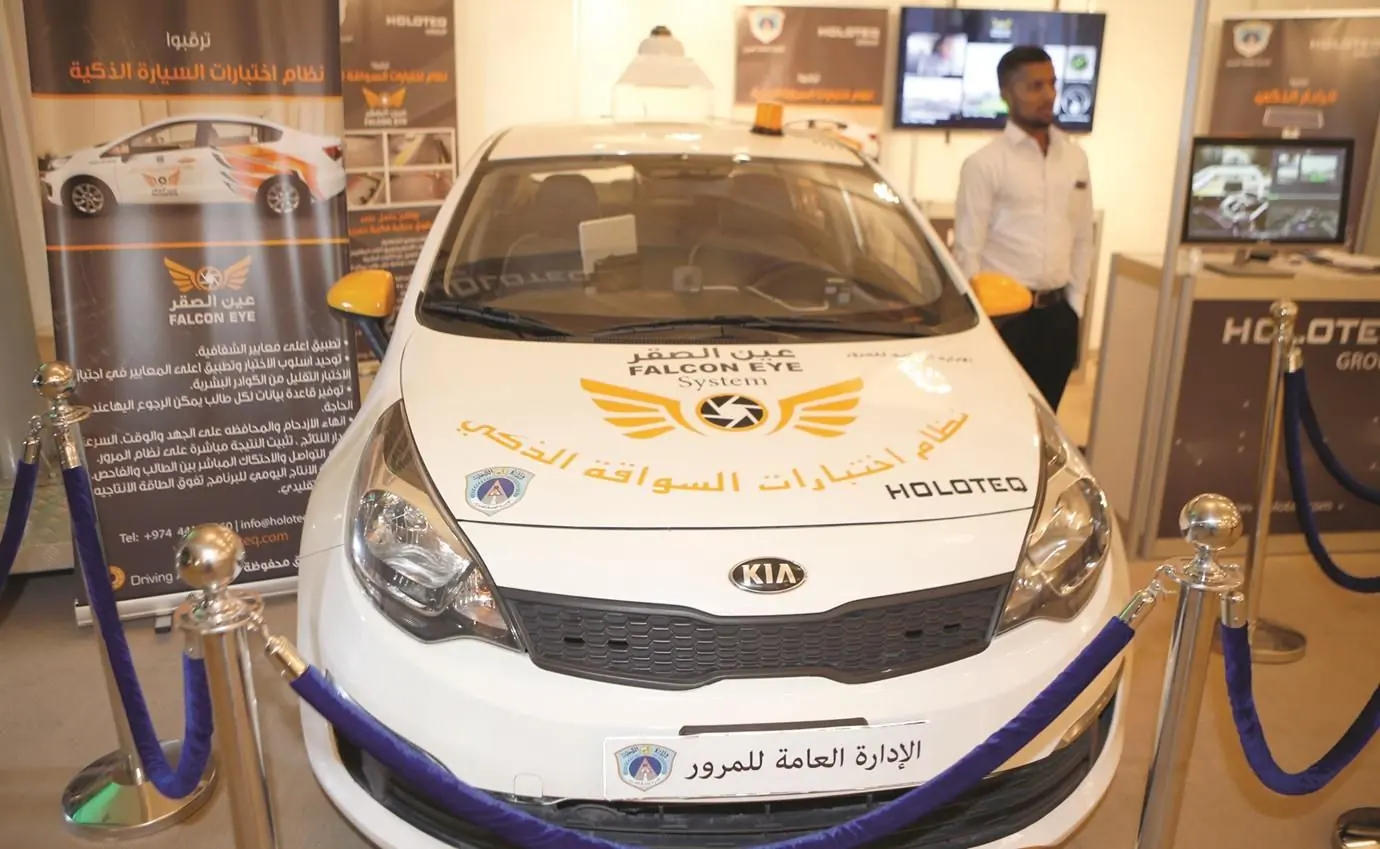
In May 2017 our client, the General Directorate of Traffic, approved our Autonomous Driving Test system, and we built the first fully automatic street test that issues results without human intervention. Our first Falcon Eye vehicles analysed the face and eyes with high-definition cameras, measured following distance, safe gaps and sudden braking, and checked lane changes. Every test is filmed so a candidate who fails can review the mistakes, and the vehicle sterilises itself automatically after each test.
The smart yard test (L & P)
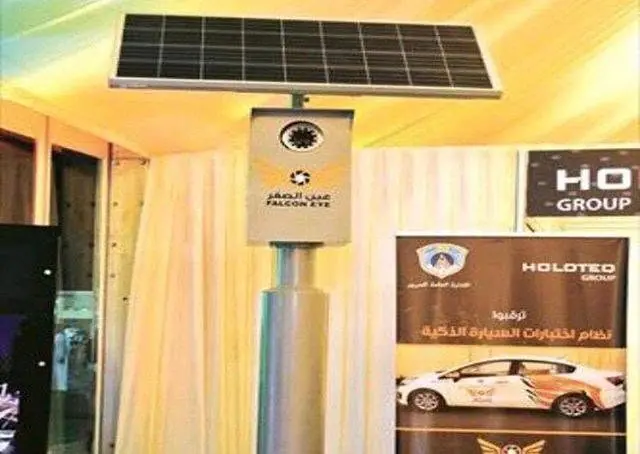
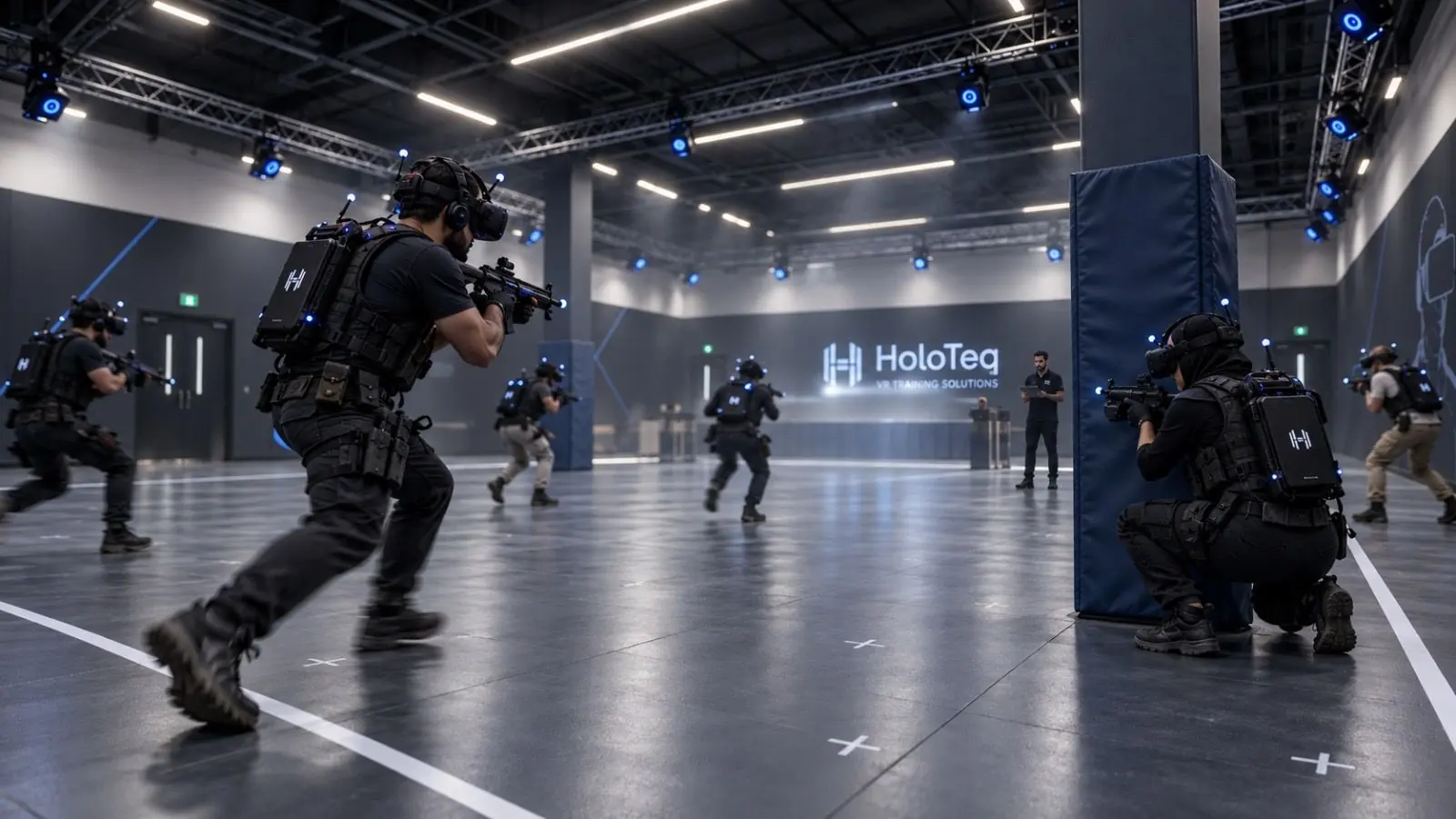
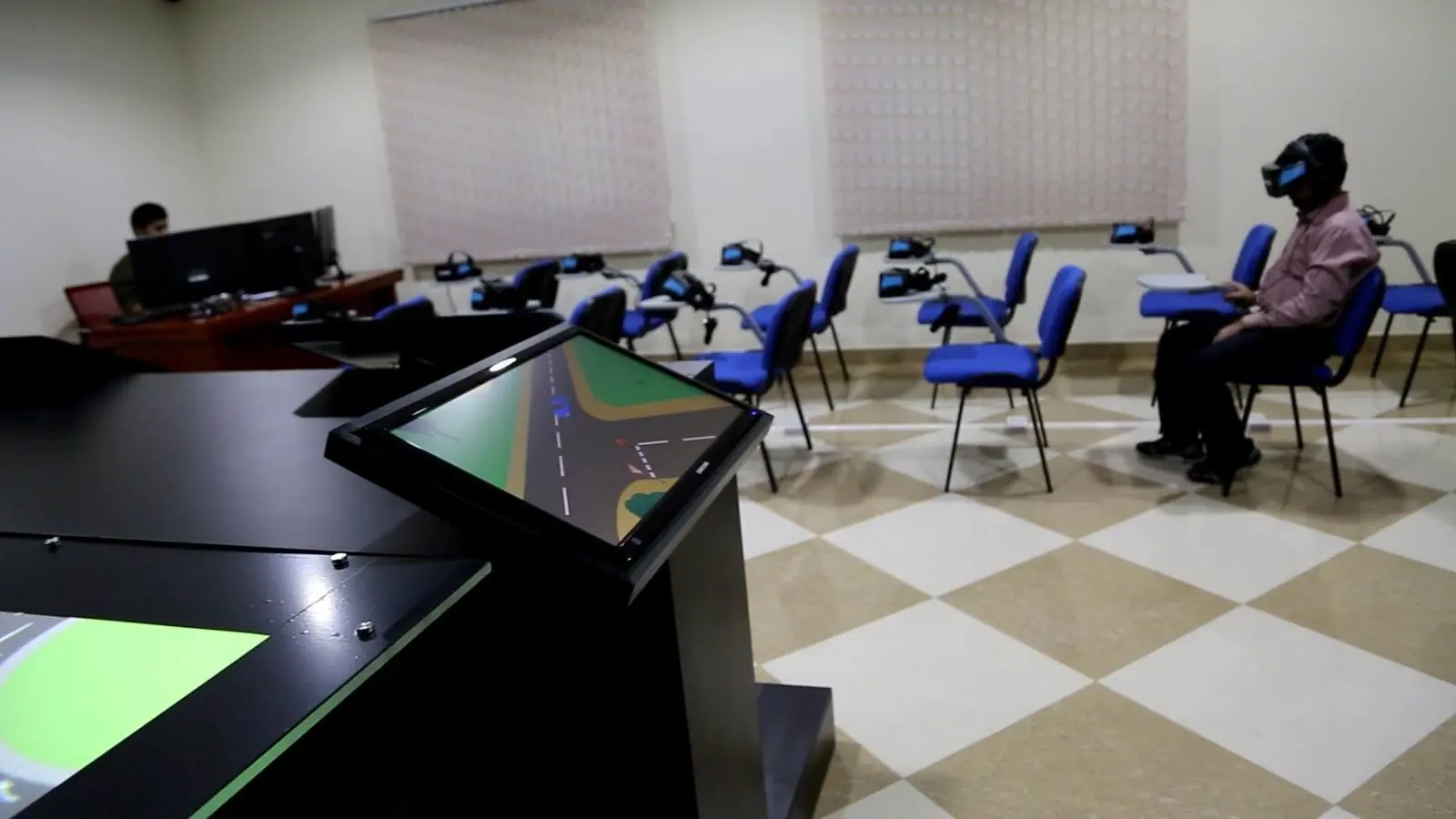
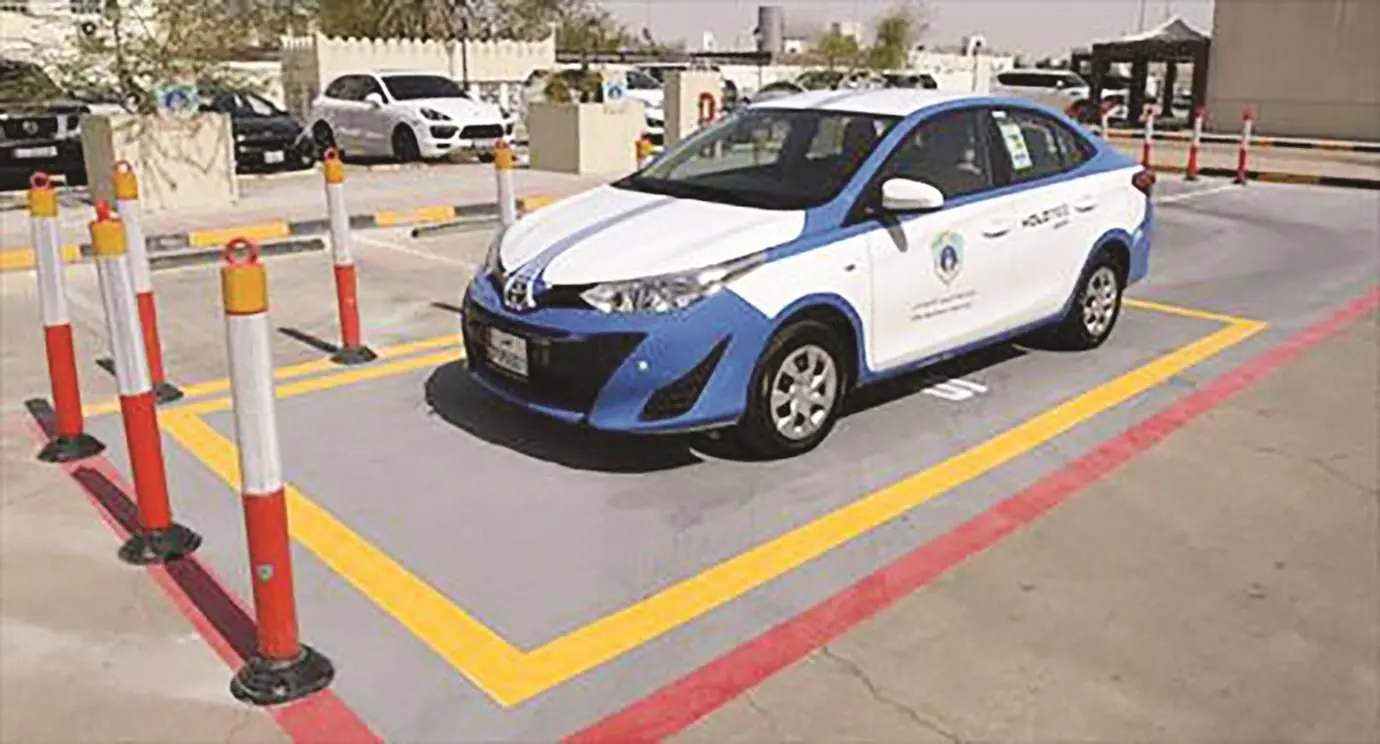
We brought the same idea to the driving-school yards: sensors and laser poles grade the L-turn and parking manoeuvres and send the score automatically, with no examiner standing on the track.
The 2026 generation
We equipped the 2026 generation with twenty-two 4K cameras (twenty outside, two inside), a 360° solid-state LiDAR, long-range radar, ultrasonic sensors and a nine-axis motion sensor. Its AI reads the road and watches the candidate: hands on the wheel, gaze, seatbelt, phone use, and any intervention by the examiner. It detects twelve violations, each with evidence, a time stamp, a measurement and a confidence score. The final decision stays with our client’s authorised examiner, who approves a pass or a retake.
Ten years, five generations
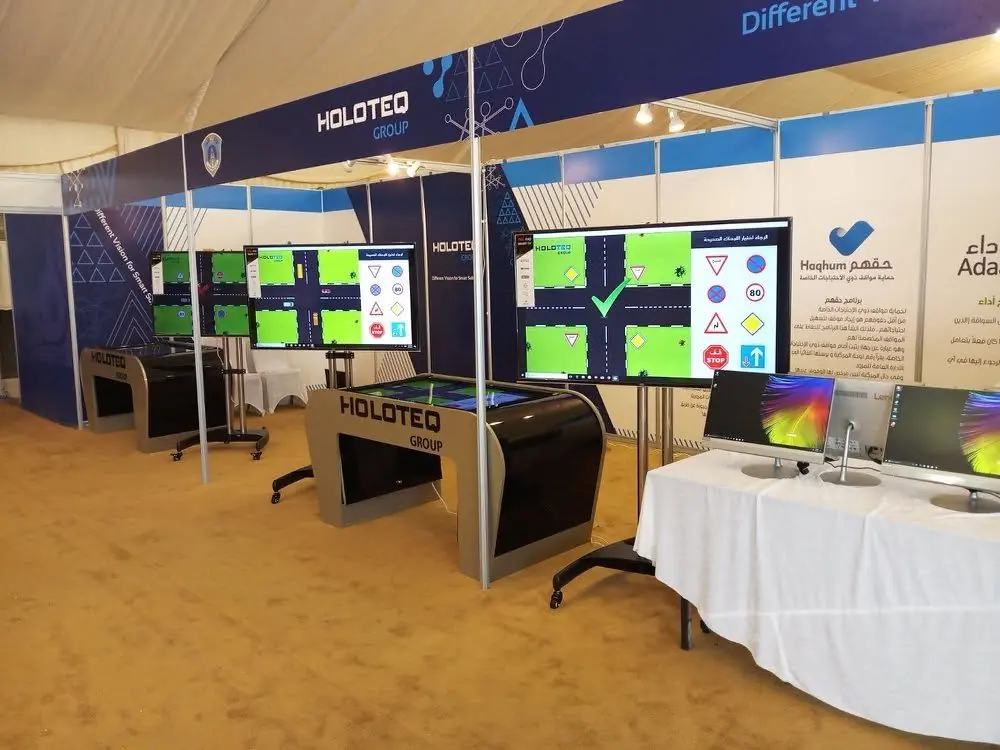
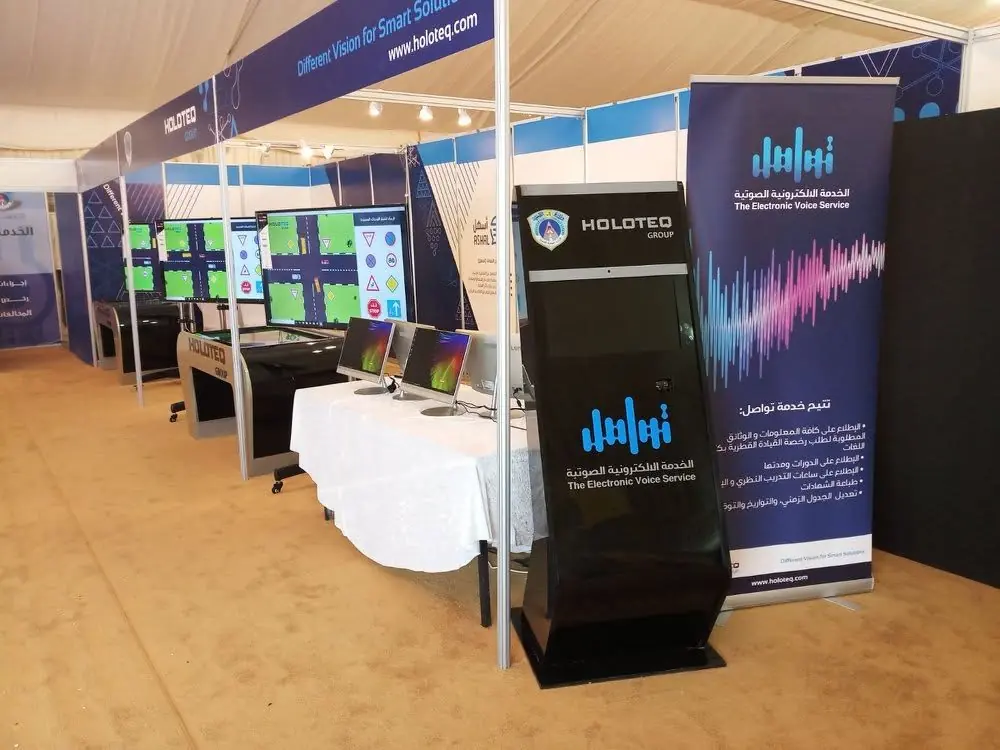
We started in 2016 and unveiled the first vehicle at the Unified GCC Traffic Week 2017, followed by new generations in 2019, 2022 and 2026. The 2026 system measures 110 manoeuvres under 219 approved rules, takes about seven minutes per applicant, and was presented at Milipol Qatar 2026.